
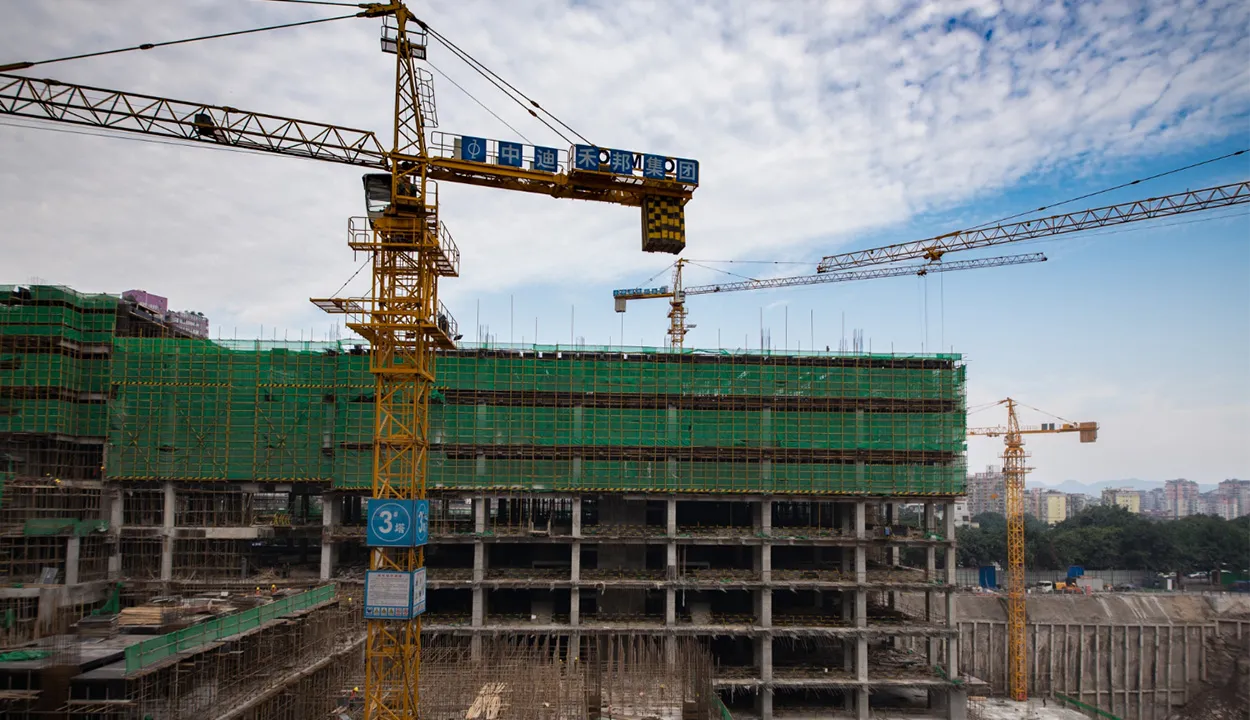
The demand for building construction in Singapore continues to rise as the country expands its commercial, residential, and industrial infrastructure. Singapore’s small land size and rapidly evolving urban landscape require highly efficient planning, advanced engineering solutions, and strict regulatory compliance. Consequently, every construction project must meet technical, environmental, and safety standards while delivering long-term value for owners and users.
The nation’s construction environment is dynamic. It is shaped by world-class engineering capabilities, sustainable development frameworks, and forward-thinking design principles. As the construction sector Singapore modernises through technology such as automation, digital modelling, and sustainable materials the expectations for quality and performance rise as well. These developments influence the way building construction projects progress from concept to completion.
The process of building construction in Singapore integrates design, engineering, safety, and sustainability. Every project is guided by regulations set by the Building and Construction Authority (BCA). These rules ensure that all structures are safe, efficient, and built to withstand Singapore’s weather and density demands.
Singapore’s urban approach prioritises structural integrity, environmental responsibility, and space optimisation. Developers, engineers, and architects work closely to design buildings that support long-term functionality. Because the country’s construction environment is highly regulated, contractors must follow strict processes to ensure consistent quality.
The industry also relies heavily on engineering expertise. Building construction engineering supports everything from structural stability to electrical systems, drainage planning, and fire safety compliance. Engineering teams coordinate with architects and builders to transform designs into durable, sustainable structures. This makes engineering a vital component of the entire construction workflow.
Engineering strengthens the foundation of every project. Building construction engineering involves analysing load requirements, selecting appropriate materials, designing safe structural frameworks, and ensuring that mechanical and electrical systems perform efficiently. Engineers also coordinate safety calculations, soil assessments, and structural simulations.
Singapore’s environment requires precise planning because buildings must withstand humidity, rainfall, and high-density surroundings. Engineering teams also factor in energy efficiency and carbon reduction strategies to support national sustainability goals.
Additional engineering requirements influence construction timelines and costs. Engineers ensure compliance with:
These standards guarantee reliability, safety, and long-lasting performance across all building types.
The construction sector Singapore remains one of the strongest contributors to national development. Infrastructure, industrial parks, residential estates, and commercial properties all rely on specialised teams to execute safe and efficient construction.
The sector evolves constantly because Singapore invests in advanced technologies such as Building Information Modelling (BIM), Prefabricated Prefinished Volumetric Construction (PPVC), and robotics. These innovations reduce labour needs, speed up construction timelines, and improve accuracy.
As the sector continues progressing, the demand grows for skilled professionals who understand project management, engineering design, and sustainable building frameworks. Local construction firms stay competitive by adopting automation, digital planning, and advanced materials.
A reliable building construction company determines project success. Property owners, developers, and businesses require contractors who can manage timelines, budgets, and regulatory compliance.
A strong company offers holistic services that cover:
Reputation and experience matter significantly. Companies with proven track records understand how to overcome logistical challenges, secure permits, and operate safely at job sites. Additionally, local firms must comply with BCA accreditation standards to undertake major construction works.
Communication also plays a major role in the construction process. Effective coordination between stakeholders reduces delays and prevents unnecessary costs. This ensures that the final building meets functional, safety, and aesthetic expectations.
A building construction contractor handles the hands-on execution of the project. Contractors coordinate manpower, oversee site activities, and maintain safety compliance. They supervise daily construction tasks such as structural work, electrical installation, plumbing, and interior finishing.
In Singapore, contractors must follow strict safety protocols. They manage risk assessments, equipment safety, and on-site training for workers. Contractors also coordinate inspections to ensure the project meets regulatory standards.
Good contractors contribute to efficient progress because they maintain consistent communication, anticipate challenges, and ensure proper resource allocation. When engineers, architects, and contractors work together smoothly, project outcomes become significantly stronger.
Singapore leads the region in sustainable development, and the construction sector plays a crucial role. Sustainable building Singapore initiatives focus on reducing energy usage, improving indoor environmental quality, and using materials with lower carbon footprints.
Sustainable construction also improves long-term operational efficiency. Buildings designed with natural ventilation, low-energy lighting, and smart water management systems offer cost savings while reducing environmental impact.
Green building certifications further support sustainability. Many construction companies adopt green technologies such as solar panels, energy-efficient HVAC systems, and recycled construction materials. These innovations improve environmental performance and support Singapore’s national sustainability goals.
Sustainability also aligns with market expectations. Many businesses and property owners prefer buildings that offer long-term efficiency and reduced operational costs. As a result, green building strategies become essential not just for environmental reasons but also for financial and functional benefits.
As green frameworks and digital technologies continue to shape the industry, Singapore remains at the forefront of global construction standards. Through responsible design and efficient planning, the future of construction promises stronger, safer, and more sustainable buildings nationwide.
Singapore requires strict compliance with safety, engineering, and sustainability regulations, making its construction environment highly advanced and efficient.
Engineering ensures structural safety, reliable building systems, and long-term durability across all building types.
Look for accreditation, industry experience, strong project portfolios, and clear communication processes.
Sustainable building prioritises energy efficiency, environmental responsibility, and long-term cost savings.
Technological advancements, automation, and national sustainability goals drive improvements across the construction landscape.
19 Changi Business Park Crescent #04-09,
The GEAR, Singapore 489690